

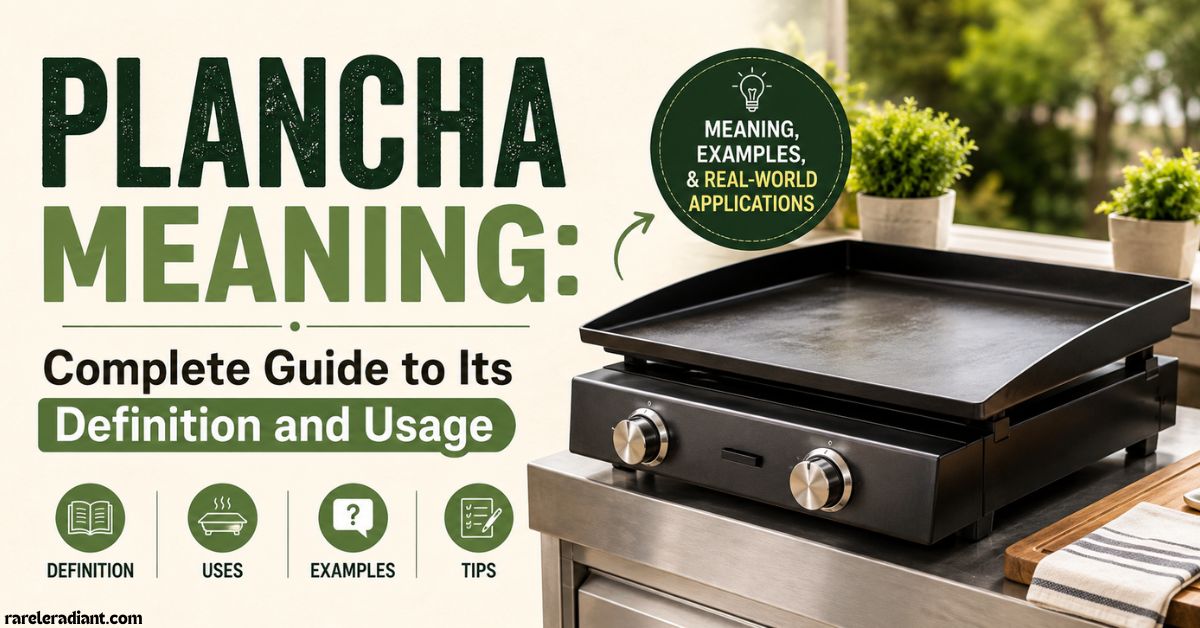
If you’ve ever ordered seafood a la plancha at a Spanish restaurant or browsed outdoor cooking equipment, you’ve probably come across the term Plancha Meaning. At first glance, it may seem like just another word for a grill. However, a plancha is a unique cooking surface with a rich history and a cooking style that delivers exceptional flavor, texture, and speed.
Unlike traditional grills that cook over open grates, a plancha uses a smooth, solid metal plate heated to very high temperatures. This method creates a beautifully seared crust while keeping the inside of the food tender and juicy. From sizzling shrimp to perfectly caramelized vegetables, plancha cooking has become a favorite among professional chefs and home cooks alike.
In this guide, you’ll discover the true Plancha Meaning, where the word comes from, how a plancha works, the different types available, and why this cooking method continues to grow in popularity around the world.
What Does Plancha Mean?
The Plancha Meaning comes from the Spanish word “plancha,” which literally translates to “plate,” “metal sheet,” or “flat iron.” In cooking, it refers to a thick, flat metal cooking surface heated to high temperatures for quickly searing food.
The cooking technique itself is known as “a la plancha,” which means “cooked on a metal plate.” You’ll often see this phrase on Spanish and Latin American restaurant menus.
Unlike a barbecue grill, where food sits over open grates and flames, a plancha provides direct contact with a hot metal surface. This allows food to develop a flavorful crust while retaining moisture inside.
How to Pronounce Plancha
The correct pronunciation is:
PLAN-cha (plahn-chah)
The “ch” sounds exactly like the “ch” in the English word chair.
What Makes a Plancha Different?
A plancha isn’t simply another name for a griddle or grill. Its cooking surface reaches much higher temperatures than many traditional flat-top cookers, often exceeding 650°F (343°C). This intense heat quickly seals the outside of food without drying out the interior.
Because of this, planchas are widely used for:
- Seafood
- Steaks
- Chicken
- Vegetables
- Burgers
- Eggs
- Flatbreads
- Fruits
Many restaurants also use planchas because they reduce flare-ups caused by dripping fat while still producing a delicious sear.
Expert Insight: High heat creates the Maillard reaction the chemical process responsible for the rich brown color and deep savory flavor found on perfectly cooked meat and vegetables.
The Origin and History of Plancha
Understanding the Plancha Meaning becomes even more interesting when you look at its history.
The plancha originated in Spain, particularly in the Basque region, where seafood has long been an essential part of local cuisine.
According to culinary historians, the modern cooking method became especially popular during the 19th century after workers needed an efficient way to prepare large quantities of food on flat iron plates.
Another story links its popularity to the 1892 World Fair in Paris, where Spanish cooks reportedly used heated metal plates because traditional charcoal grills were restricted. The technique proved so effective that it quickly spread throughout Spain.
Regardless of which story you follow, one fact remains clear: the plancha has been part of Spanish cooking culture for well over a century.
From Spain to the Rest of the World
Today, plancha cooking has expanded far beyond Spain.
Professional chefs in countries such as:
- France
- Italy
- Mexico
- Australia
- Japan
- United States
regularly use planchas because they provide:
- Fast cooking
- Even heat
- Excellent caramelization
- Minimal smoke
- Easy cleanup
Outdoor cooking enthusiasts have also embraced gas-powered planchas for backyard gatherings.
Why the Name Stayed the Same
Unlike many cooking tools that receive translated names in different countries, plancha has remained largely unchanged across languages.
Whether you’re in Europe, North America, or Australia, chefs generally refer to the cooking surface simply as a plancha.
That consistency has helped the term become recognized worldwide.
What Is a Plancha Grill?
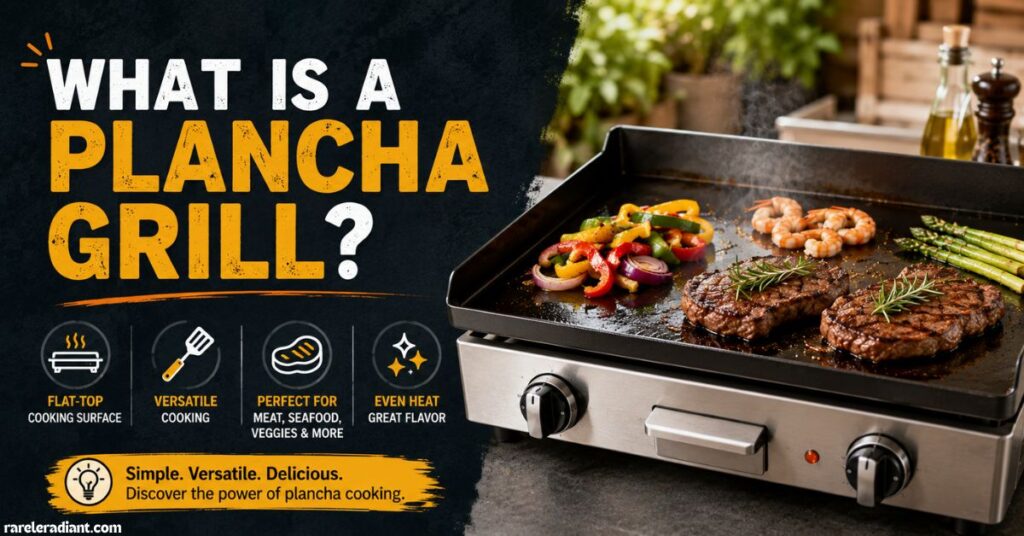
A plancha grill is a cooking appliance built around a thick, smooth metal plate rather than open grill grates.
Instead of exposing food directly to flames, heat transfers evenly through the metal surface.
This creates a cooking environment that combines some of the best qualities of grilling, sautéing, and searing.
Main Parts of a Plancha
Although designs vary, most planchas include these essential components.
| Component | Purpose |
|---|---|
| Cooking Plate | Provides a flat surface for direct cooking |
| Burners or Heating Element | Produces consistent heat |
| Grease Collection Tray | Collects excess oil and food residue |
| Temperature Controls | Adjust cooking heat |
| Frame or Cart | Supports the cooking surface |
Many outdoor models also include side shelves for food preparation.
How a Plancha Works
A plancha stores heat inside a thick metal plate.
Once heated, the entire surface reaches a nearly uniform temperature.
When food touches the hot metal:
- Moisture evaporates quickly.
- The outside browns almost instantly.
- Natural juices stay trapped inside.
- Food cooks evenly from edge to center.
This process creates excellent texture without requiring excessive oil.
Indoor vs. Outdoor Planchas
Both styles perform similarly, but each has its own advantages.
| Indoor Plancha | Outdoor Plancha |
|---|---|
| Electric heating | Usually gas-powered |
| Compact size | Larger cooking surface |
| Great for apartments | Ideal for entertaining |
| Easy to store | Handles larger meals |
| Lower heat output | Higher maximum temperatures |
If you regularly cook for family gatherings, an outdoor gas plancha offers more flexibility.
For everyday meals, a countertop electric plancha works exceptionally well.
Different Types of Planchas
Choosing the right plancha depends on where you cook, how often you cook, and what foods you prepare most often.
Each type offers distinct advantages.
Gas Planchas
Gas planchas are among the most popular choices for outdoor cooking.
They heat rapidly and maintain high temperatures with ease.
Advantages include:
- Quick preheating
- Excellent heat control
- Large cooking surfaces
- Ideal for backyard cooking
- Great for cooking multiple foods at once
These models are common in restaurants because they can operate continuously during busy service.
Electric Planchas
Electric planchas are designed primarily for indoor kitchens.
They’re compact, convenient, and require only a power outlet.
Benefits include:
- Easy operation
- Consistent temperature
- Minimal smoke
- Portable design
- Simple maintenance
Many families use electric planchas for breakfast foods, grilled sandwiches, vegetables, and pancakes.
Stainless Steel Planchas
Stainless steel remains one of the most common cooking surfaces.
It offers:
- Excellent durability
- Rust resistance
- Fast heating
- Easy cleaning
- Professional appearance
Commercial kitchens frequently prefer stainless steel because it withstands heavy daily use.
Cast Iron Planchas
Cast iron planchas retain heat exceptionally well.
Once properly seasoned, they develop a naturally nonstick surface over time.
They’re ideal for:
- Thick steaks
- Burgers
- Pork chops
- Chicken
- Roasted vegetables
However, cast iron requires regular seasoning to prevent rust.
Portable vs. Built-In Models
Your available space often determines which option makes the most sense.
| Portable Plancha | Built-In Plancha |
|---|---|
| Lightweight | Permanent installation |
| Easy transportation | Luxury outdoor kitchens |
| Lower cost | Larger cooking area |
| Perfect for camping | Premium appearance |
| Convenient storage | Designed for frequent use |
Portable models work well for tailgating, camping trips, and small patios.
Built-in units are better suited for homeowners who frequently entertain outdoors.
How to Cook on a Plancha
Cooking on a plancha looks simple because it is. Yet a few basic techniques can dramatically improve your results.
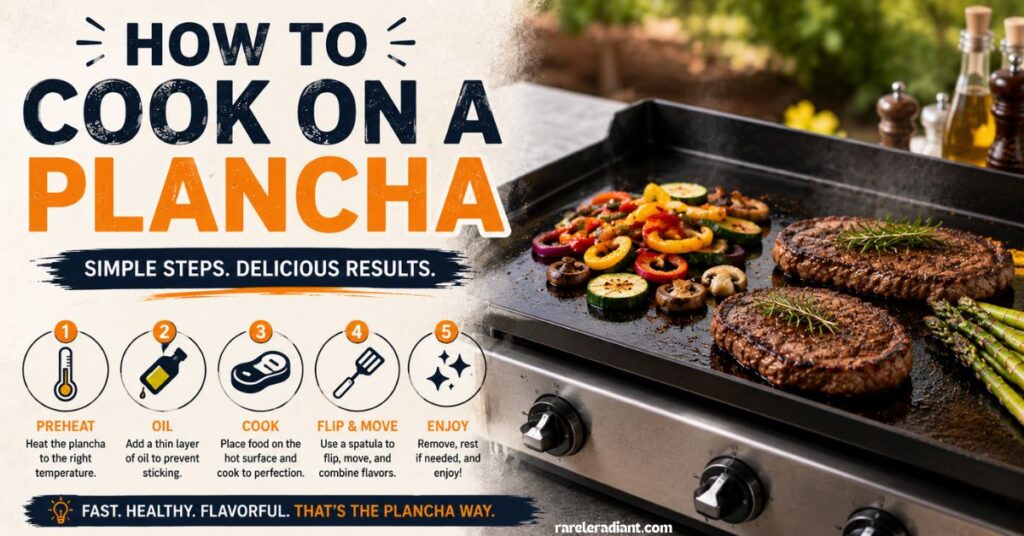
The biggest advantage is that the flat cooking surface lets you prepare delicate and hearty foods side by side without worrying about items falling through grill grates.
Preparing the Cooking Surface
Before placing any food on the plancha:
- Clean the cooking plate thoroughly.
- Preheat the surface for 8–15 minutes, depending on the model.
- Add a light coating of high-heat cooking oil if needed.
- Allow the oil to shimmer before adding food.
A properly heated surface helps create an even sear while reducing sticking.
Read Also: BNWO Meaning Explained: Definition, Origin, and Online Usage in 2026
Choosing the Right Temperature
Different foods require different heat levels.
| Food | Recommended Temperature |
|---|---|
| Vegetables | 350–400°F |
| Fish | 375–425°F |
| Chicken | 400–450°F |
| Burgers | 450–500°F |
| Steak | 500–650°F |
Cooking at the correct temperature improves texture and preserves natural flavor.
Cooking Step by Step
Follow these simple steps for consistent results:
- Pat food dry before cooking.
- Place it gently on the hot surface.
- Let it sear without moving it too soon.
- Flip only when a golden crust forms.
- Cook until it reaches a safe internal temperature.
- Let meats rest for several minutes before serving.
This method locks in juices and develops the signature caramelized finish that makes plancha cooking so popular.
What Foods Can You Cook on a Plancha?
One reason chefs love planchas is their versatility. A single cooking surface can handle everything from delicate seafood to hearty steaks without sacrificing flavor or texture.
In the next section, you’ll discover the best foods for plancha cooking, why professional chefs prefer this technique, and how it compares with traditional grilling and other popular cooking methods.
What Foods Can You Cook on a Plancha?
One of the biggest advantages of plancha cooking is versatility. The smooth, hot cooking surface allows you to prepare foods that would normally fall through traditional grill grates while still achieving a rich, caramelized crust.
Whether you’re making breakfast, lunch, or dinner, a plancha can handle nearly every ingredient with ease.
Meat and Poultry
A plancha excels at cooking meat because the intense heat quickly seals the surface. That helps retain juices and creates a flavorful brown crust.
Popular choices include:
- Beef steaks
- Burgers
- Chicken breasts
- Chicken thighs
- Turkey cutlets
- Pork chops
- Lamb chops
- Sausages
For the best results, allow the meat to reach room temperature for about 20 minutes before cooking. This promotes more even cooking from the center to the edges.
Pro Tip: Resist the urge to press burgers or steaks with a spatula. Pressing releases flavorful juices that should stay inside the meat.
Seafood
Seafood is one of the foods most closely associated with Spanish plancha cooking.
Since seafood cooks quickly, the high heat of a plancha creates a crisp exterior while keeping the inside moist and tender.
Excellent seafood options include:
- Shrimp
- Scallops
- Salmon
- Tuna steaks
- Cod
- Sea bass
- Lobster tails
- Octopus
- Squid
Spanish chefs often season seafood with nothing more than olive oil, sea salt, garlic, and fresh lemon. The plancha does the rest.
Vegetables
Vegetables develop incredible flavor on a plancha.
Instead of becoming soft and watery, they caramelize beautifully while keeping a slight bite.
Great vegetables for plancha cooking include:
- Bell peppers
- Zucchini
- Mushrooms
- Onions
- Asparagus
- Broccoli
- Eggplant
- Corn
- Tomatoes
The natural sugars in vegetables brown quickly, creating a sweeter and richer flavor.
Eggs and Breakfast Foods
A plancha isn’t just for dinner.
Its flat surface makes breakfast preparation simple because multiple foods can cook simultaneously.
Common breakfast favorites include:
- Fried eggs
- Scrambled eggs
- Bacon
- Pancakes
- French toast
- Breakfast potatoes
- Tortillas
- Hash browns
Many diners and restaurants use commercial planchas throughout the day because they transition effortlessly between breakfast and lunch menus.
Fruits and Desserts
Many people overlook fruit when using a plancha.
However, high heat caramelizes natural sugars, creating a delicious dessert with almost no effort.
Try cooking:
- Pineapple
- Peaches
- Apples
- Pears
- Bananas
- Mango slices
Serve grilled fruit with yogurt, vanilla ice cream, or a drizzle of honey for an easy dessert.
Why Chefs Love Plancha Cooking
Professional chefs rely on planchas because they combine speed, precision, and exceptional flavor.
Instead of cooking over open flames, food cooks directly on a uniformly heated surface. This gives chefs greater control over every ingredient.
High-Heat Searing
One of the defining features of plancha cooking is extremely high heat.
Many commercial planchas exceed 600°F, allowing food to sear within seconds.
This produces:
- Rich color
- Crispy edges
- Deep roasted flavor
- Juicy interiors
The result is difficult to achieve on many conventional grills.
Even Heat Distribution
Traditional grills often have hot spots and cool spots.
A quality plancha distributes heat much more evenly across the cooking surface.
That means:
- Consistent cooking
- Better browning
- Fewer burnt areas
- Reliable results
Whether you’re cooking one steak or twenty burgers, the temperature remains remarkably stable.
Natural Flavor Retention
Because food cooks quickly, less moisture escapes.
The result is:
- Juicier meat
- Tender seafood
- Crisp vegetables
- Better texture
Many chefs intentionally use only light seasoning because the plancha enhances the food’s natural flavor instead of masking it.
Less Oil Required
A well-heated plancha needs only a thin layer of oil.
This offers several benefits:
- Lower fat content
- Cleaner flavors
- Easier cleanup
- Less grease buildup
Many health-conscious cooks appreciate this advantage.
Faster Cooking Times
High temperatures significantly reduce cooking time.
Here’s a general comparison.
| Food | Traditional Grill | Plancha |
|---|---|---|
| Shrimp | 5–7 minutes | 3–4 minutes |
| Chicken Breast | 12–15 minutes | 8–10 minutes |
| Steak | 10–12 minutes | 6–8 minutes |
| Vegetables | 10 minutes | 5–7 minutes |
Shorter cooking times also help preserve nutrients in vegetables.
Read Also: Poison Tree Tattoo Meaning: What This Powerful Design Really Represents
Plancha vs. Other Cooking Methods
Many people assume a plancha and a grill are the same thing.
While they share similarities, each cooking method produces different results.
Understanding these differences helps you choose the right tool for each meal.
Plancha vs. Grill
A traditional grill cooks food over metal grates positioned above flames.
A plancha cooks food on a solid metal plate.
| Feature | Plancha | Grill |
|---|---|---|
| Cooking Surface | Flat steel plate | Open grates |
| Flare-Ups | Rare | Common |
| Heat Distribution | Even | Varies |
| Delicate Foods | Excellent | Difficult |
| Smoky Flavor | Mild | Strong |
If you enjoy seafood, vegetables, or smaller ingredients, a plancha usually offers greater flexibility.
Plancha vs. Griddle
Although they appear similar, they’re not identical.
A griddle generally operates at lower temperatures.
A plancha is designed for intense searing.
| Plancha | Griddle |
|---|---|
| Higher cooking temperatures | Moderate temperatures |
| Better caramelization | Gentler browning |
| Restaurant-style searing | Everyday cooking |
| Excellent for steaks | Excellent for pancakes |
Plancha vs. Flat Top Grill
These terms are often used interchangeably, yet subtle differences exist.
Most flat-top grills focus on versatility.
Many planchas prioritize extremely high temperatures.
Professional kitchens often choose planchas when achieving a perfect crust matters most.
Plancha vs. Cast Iron Skillet
A cast iron skillet also retains heat well, but its cooking area is much smaller.
A plancha provides:
- More cooking space
- Better temperature consistency
- Easier handling of multiple foods
- Improved cooking efficiency
If you’re preparing meals for several people, a plancha is usually the more practical choice.
Benefits and Drawbacks of Using a Plancha
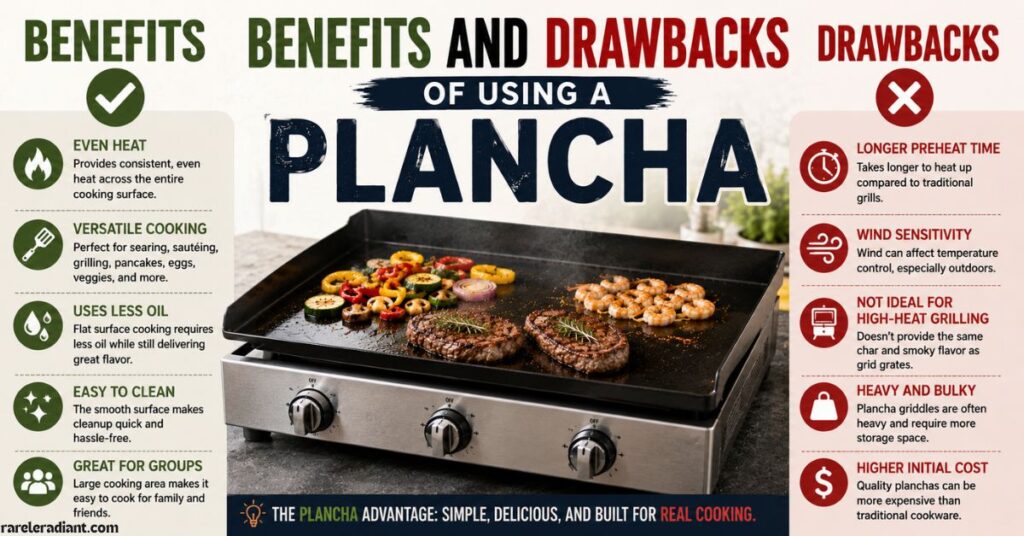
Like every cooking appliance, a plancha has strengths and limitations.
Knowing both helps you decide whether it’s the right investment.
Key Advantages
The benefits are substantial.
- Exceptional searing capability
- Fast cooking times
- Even heat distribution
- Minimal flare-ups
- Less oil required
- Easy food flipping
- Simple cleanup
- Suitable for delicate ingredients
- Large cooking surface
- Excellent moisture retention
These features explain why planchas continue to gain popularity among both home cooks and professional chefs.
Potential Limitations
Despite its many advantages, a plancha isn’t perfect.
Some considerations include:
- Less smoky flavor than charcoal grills
- High-quality models can be expensive
- Cast iron versions require seasoning
- Outdoor gas models need propane
- Learning heat management takes practice
For most users, these drawbacks become less noticeable after a few cooking sessions.
Essential Tips for Better Plancha Cooking
Even experienced cooks can improve their results with a few professional techniques.
These simple habits make a noticeable difference.
Preheat Properly
Never rush preheating.
Allow the cooking plate to reach the desired temperature before adding food.
This promotes:
- Better browning
- Reduced sticking
- Faster cooking
- Improved flavor
Avoid Overcrowding
Too much food lowers the surface temperature.
Instead, leave small spaces between ingredients.
Proper spacing allows moisture to evaporate quickly, helping food sear instead of steam.
Create Heat Zones
Professional chefs often divide the plancha into different temperature areas.
For example:
| Zone | Purpose |
|---|---|
| High Heat | Searing steaks |
| Medium Heat | Chicken and seafood |
| Low Heat | Keeping cooked food warm |
This technique keeps every ingredient cooking at its ideal temperature.
Choose the Right Oil
Not every cooking oil can withstand plancha temperatures.
Use oils with high smoke points, such as:
- Avocado oil
- Canola oil
- Grapeseed oil
- Peanut oil
- Refined sunflower oil
Avoid butter during the initial sear because it burns quickly.
Instead, add butter near the end for extra flavor.
Use Proper Tools
The right equipment protects both your food and your cooking surface.
Helpful tools include:
- Metal spatulas
- Grill scraper
- Long tongs
- Instant-read meat thermometer
- Oil squeeze bottle
- Heat-resistant gloves
These tools improve efficiency and safety.
Common Mistakes to Avoid
Even a premium plancha won’t deliver perfect results if you overlook the basics.
Fortunately, most mistakes are easy to avoid.
Cooking Before Preheating
Adding food too early prevents proper browning.
Always wait until the cooking surface reaches the target temperature.
Using Too Much Oil
More oil doesn’t improve cooking.
Excess oil can create unnecessary smoke and reduce the quality of the sear.
A light coating is usually enough.
Moving Food Too Often
One of the most common beginner mistakes is constant flipping.
Allow food to develop a crust naturally before turning it.
If food sticks, it’s often a sign that it hasn’t finished searing yet.
Ignoring Surface Temperature
Different foods require different heat levels.
Cooking everything at maximum heat can burn delicate ingredients while leaving thicker cuts undercooked.
Use temperature controls to match the food you’re preparing.
Cleaning the Plancha Incorrectly
Food residue becomes much harder to remove after it cools completely.
Cleaning while the surface is still warm makes maintenance easier and extends the life of the cooking plate.
In the next part, you’ll learn how to clean and maintain a plancha properly, discover answers to the most frequently asked questions about Plancha Meaning, and wrap up with the key takeaways from this complete guide.
How to Clean and Maintain a Plancha
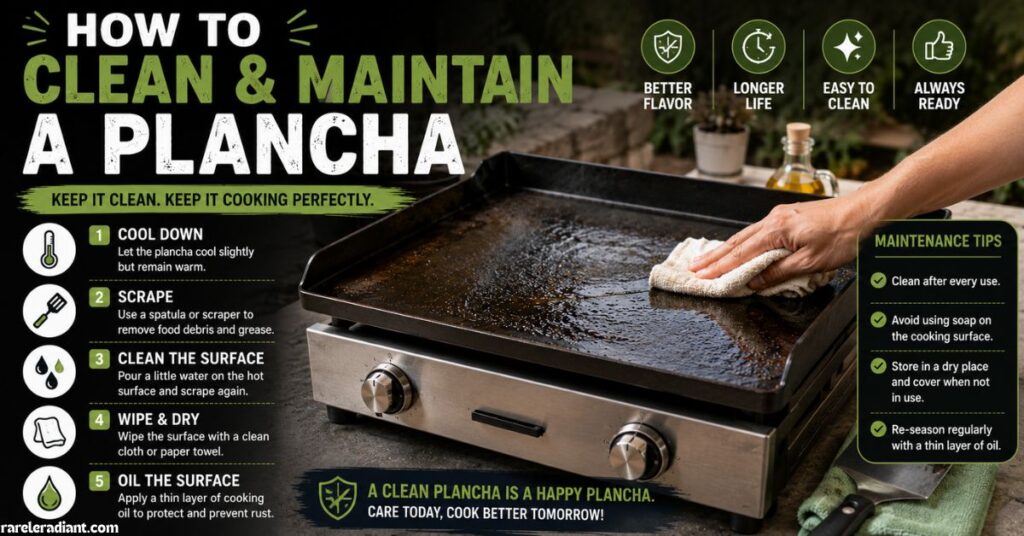
A plancha can last for many years if you take care of it properly. Whether you own a compact electric model or a large outdoor gas plancha, regular maintenance protects the cooking surface and keeps food tasting its best.
The good news is that cleaning a plancha is much easier than scrubbing traditional grill grates.
Read Also: LWK Meaning: Everything You Need to Know About This Slang
Cleaning After Every Use
The easiest time to clean a plancha is immediately after cooking while the surface is still warm.
Follow these simple steps:
- Turn off the heat and allow the surface to cool slightly.
- Use a metal scraper or spatula to remove leftover food.
- Pour a small amount of warm water onto the hot plate.
- Scrape away any loosened residue.
- Wipe the surface with paper towels or a clean cloth.
- Apply a thin layer of cooking oil if recommended by the manufacturer.
This process usually takes less than five minutes and prevents stubborn buildup.
Expert Tip: Never pour cold water onto an extremely hot cast iron plancha. The sudden temperature change can cause the metal to warp or crack.
Removing Burnt-On Residue
Sometimes sugary marinades, sauces, or heavily caramelized foods leave behind stubborn residue.
Instead of using harsh chemicals, try this method:
- Warm the cooking surface.
- Add a little water.
- Let the steam loosen the residue.
- Scrape gently with a plancha scraper.
- Wipe the surface clean.
- Repeat if necessary.
For stainless steel models, non-abrasive cleaning pads work well without scratching the surface.
Avoid steel wool unless the manufacturer specifically recommends it.
Seasoning the Cooking Surface
Not every plancha requires seasoning.
However, cast iron and carbon steel models benefit greatly from this process.
Seasoning creates a protective layer that:
- Helps prevent rust
- Improves the nonstick surface
- Enhances cooking performance
- Extends the life of the cooking plate
To season a plancha:
- Clean the surface thoroughly.
- Apply a very thin layer of high-smoke-point oil.
- Heat the plancha until the oil begins to smoke.
- Let it cool naturally.
- Repeat the process several times when the plancha is new.
Over time, the cooking surface develops a dark finish known as patina, which many chefs consider a sign of a well-maintained plancha.
Long-Term Maintenance
Routine maintenance keeps your plancha performing like new.
Here are a few best practices:
| Maintenance Task | Recommended Frequency |
|---|---|
| Wipe after cooking | Every use |
| Empty grease tray | Every use |
| Deep clean | Every 10–15 cooking sessions |
| Inspect burners | Every few months |
| Season cast iron | As needed |
| Cover outdoor plancha | After every use |
If your plancha stays outdoors, invest in a weather-resistant cover. Rain, humidity, and dust can shorten the lifespan of even high-quality equipment.
Frequently Asked Questions About Plancha Meaning
Below are answers to the questions people search for most often when learning about Plancha Meaning.
Is a plancha the same as a grill?
No.
Although both cook food using high heat, they work differently.
A traditional grill uses open grates positioned over a heat source. A plancha uses a smooth metal plate that provides direct contact with the food.
This makes a plancha better for cooking delicate ingredients like shrimp, vegetables, eggs, and fish.
What does “a la plancha” mean?
“A la plancha” is a Spanish cooking term that means “cooked on a hot metal plate.”
You’ll often see it on restaurant menus describing dishes such as:
- Shrimp a la plancha
- Chicken a la plancha
- Octopus a la plancha
- Vegetables a la plancha
The phrase refers to the cooking method rather than a specific recipe.
Is plancha cooking healthy?
Yes.
Plancha cooking is widely considered a healthy cooking method because it typically requires very little oil.
Some of its health benefits include:
- Lower fat usage
- Quick cooking times
- Better nutrient retention in vegetables
- Less grease than pan frying
- Natural flavors without heavy sauces
Of course, the nutritional value still depends on the ingredients and portion sizes you choose.
Can you use a plancha indoors?
Yes, provided you use an indoor model.
Electric planchas are specifically designed for kitchen countertops and dining tables.
Outdoor gas planchas, however, should never be used inside because they produce carbon monoxide and require proper ventilation.
Always follow the manufacturer’s safety guidelines.
What foods should not be cooked on a plancha?
While a plancha handles most foods exceptionally well, a few items require extra care.
These include:
- Very watery batters
- Thin soups
- Deep-fried recipes
- Foods that require prolonged simmering
A plancha is designed for high-heat surface cooking rather than boiling, steaming, or deep frying.
Does a plancha need seasoning?
It depends on the material.
| Plancha Material | Seasoning Required |
|---|---|
| Cast Iron | Yes |
| Carbon Steel | Yes |
| Stainless Steel | Usually No |
| Chrome-Coated Steel | No |
Always check the manufacturer’s instructions because care recommendations may vary.
Quick Comparison: Plancha at a Glance
If you’re still deciding whether a plancha fits your cooking style, this summary highlights its main features.
| Feature | Plancha |
|---|---|
| Cooking Surface | Flat metal plate |
| Typical Heat Range | 350–650°F |
| Fuel Source | Gas or electric |
| Best For | Meat, seafood, vegetables, breakfast foods |
| Oil Required | Very little |
| Indoor Models Available | Yes |
| Outdoor Models Available | Yes |
| Cleanup | Easy |
| Beginner Friendly | Yes |
Key Takeaways About Plancha Meaning
Before wrapping up, here are the most important points to remember.
- Plancha Meaning comes from the Spanish word for a flat metal plate.
- A plancha cooks food directly on a smooth, heated surface instead of open grill grates.
- High temperatures create exceptional browning while locking in moisture.
- It’s ideal for cooking meat, seafood, vegetables, eggs, and even fruit.
- Gas and electric models are available for outdoor and indoor cooking.
- Regular cleaning and proper maintenance help a plancha last for many years.
- The phrase “a la plancha” simply means food cooked on a hot metal plate.
“Great cooking isn’t always about complicated recipes. Sometimes it’s about using the right heat on the right surface.”
That idea perfectly captures why plancha cooking has remained popular for generations.
Final Thoughts on Plancha Meaning
Understanding the Plancha Meaning goes beyond learning a simple definition. It introduces you to a cooking tradition that combines speed, precision, and incredible flavor. Originating in Spain, the plancha has earned a global reputation because it delivers restaurant-quality results with surprisingly little effort.
Unlike traditional grills, a plancha creates an evenly heated cooking surface that produces beautiful caramelization while keeping food juicy. From perfectly seared steaks and delicate seafood to crisp vegetables and hearty breakfasts, its versatility makes it a valuable addition to almost any kitchen or outdoor cooking space.
Whether you’re a beginner looking for an easier way to prepare everyday meals or an experienced home chef aiming to refine your cooking techniques, a plancha offers impressive performance and consistent results. With proper cleaning, regular maintenance, and a little practice, it can become one of the most dependable tools in your cooking routine.
Now that you know the complete Plancha Meaning, its history, uses, benefits, and care requirements, you’ll have a much better understanding of why chefs around the world continue to rely on this simple yet highly effective cooking method.

Ilona Leijer is a seasoned content creator with over 4 years of experience specializing in witty puns, clever jokes, wordplay and engaging humor. His creative work is the driving force behind Rarele Radiant , a platform dedicated to bringing laughter, creativity, and memorable content to readers around the world.